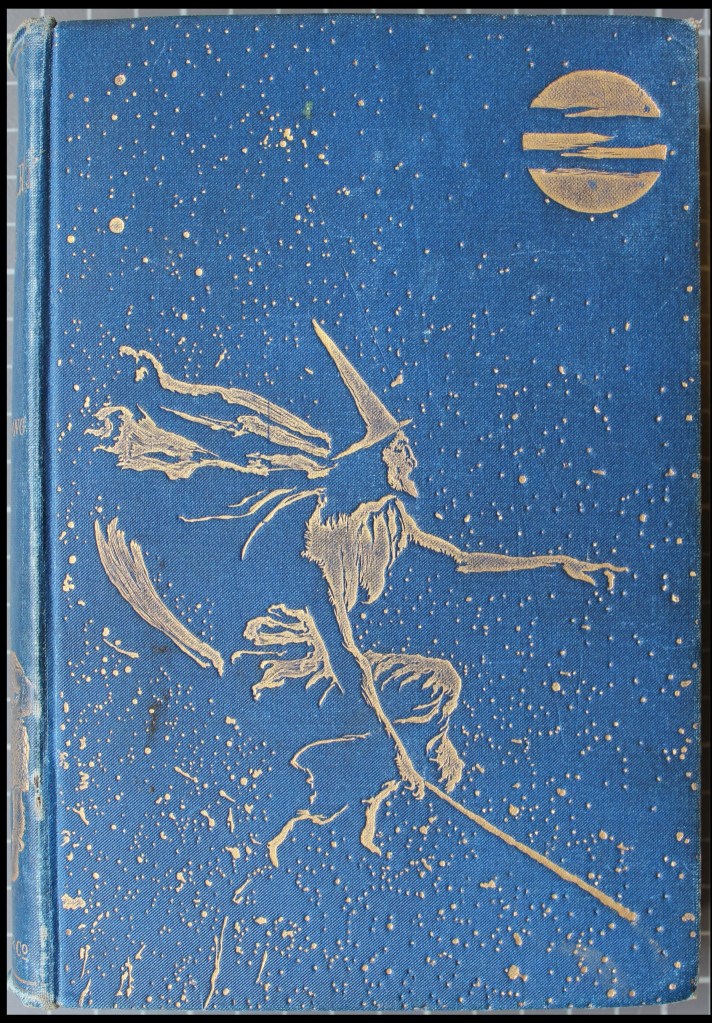
Originally, Shakespeare’s ‘weird sisters’ in that Scottish play were more like fairies or sprites. In his revision of the play, Thomas Middleton turned them into much, much more sinister (and, arguably) more fascinating beasties. Where would we be without, ‘a charm of powerful trouble/Like a hell-broth boil and bubble.’ (M: IV.i.9-10). Happy flying!
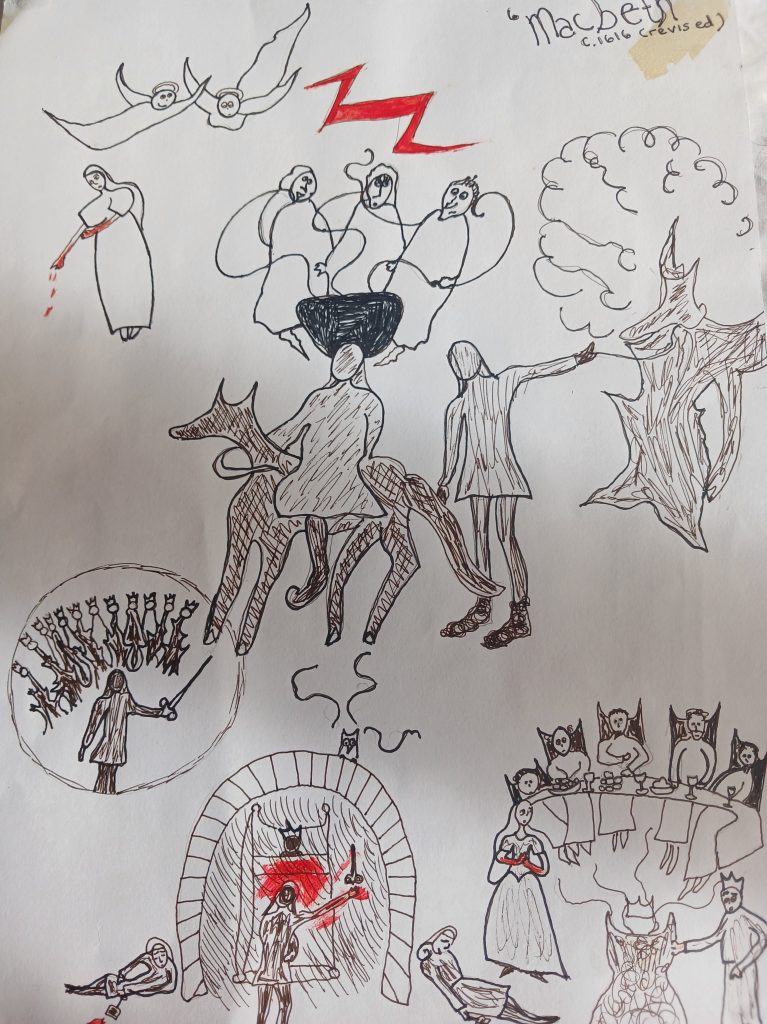
Shakespeare’s 1623 First Folio included the first EVER printed version of the Scottish play with revisions by Thomas Middleton who enhanced the witches scenes. I tried to fit the entire play into this illustration (made during my PhD). Spot the witches conjuring all the mischief! Also, Birman wood beginning to move!
The shock announcement of Queen Elizabeth’s death coincides with the outbreak of plague in London.
Robert Carey rides through the night to secretly offer the succession to James Stuart, of Scotland.
Playwrights Thomas Middleton, Ben Jonson and Thomas Dekker receive the commission to write King James’s entrance pageant – a ritual dating back to the Middle Ages when a ruler enters his capital. King James bides his time, hunting his way down from Scotland with his large entourage (conveniently avoiding the plague).
On the day of the entrance pageant, thousands line the river Thames to get their first sighting of the new King, as he sails from the Tower of London to Westminster. Thus begins both King James’s reign and the new Stuart tradition of wildly opulent (and expensive) entertainment!
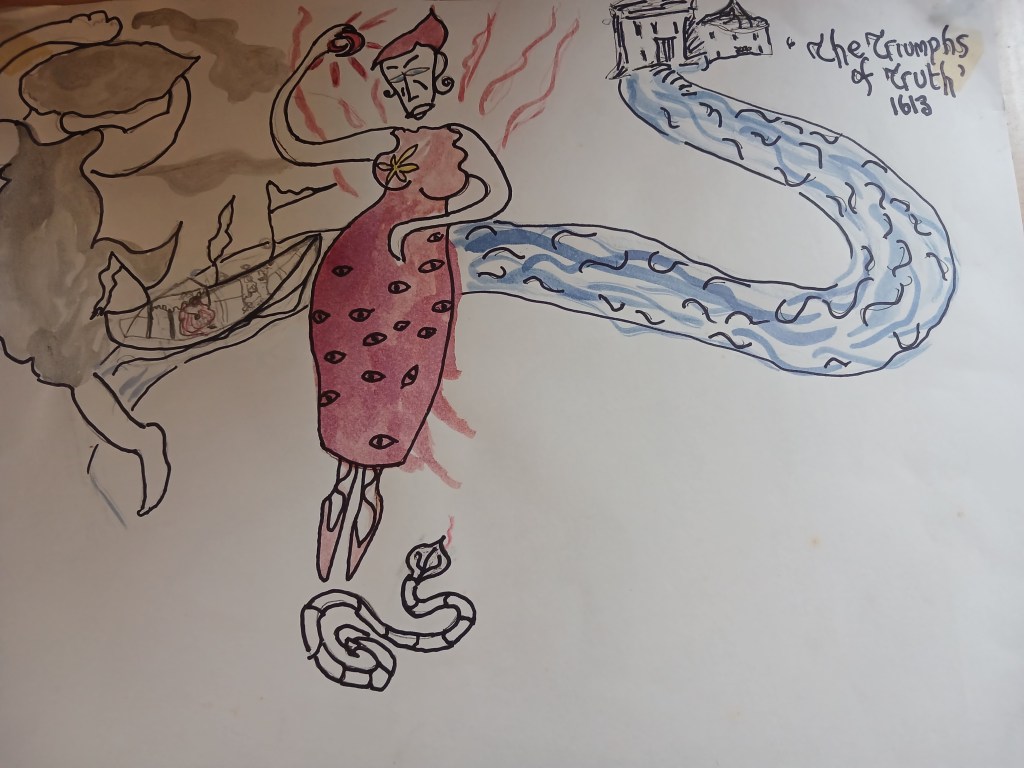
My attempt at illustrating one on Thomas Middleton’s many river pageants!
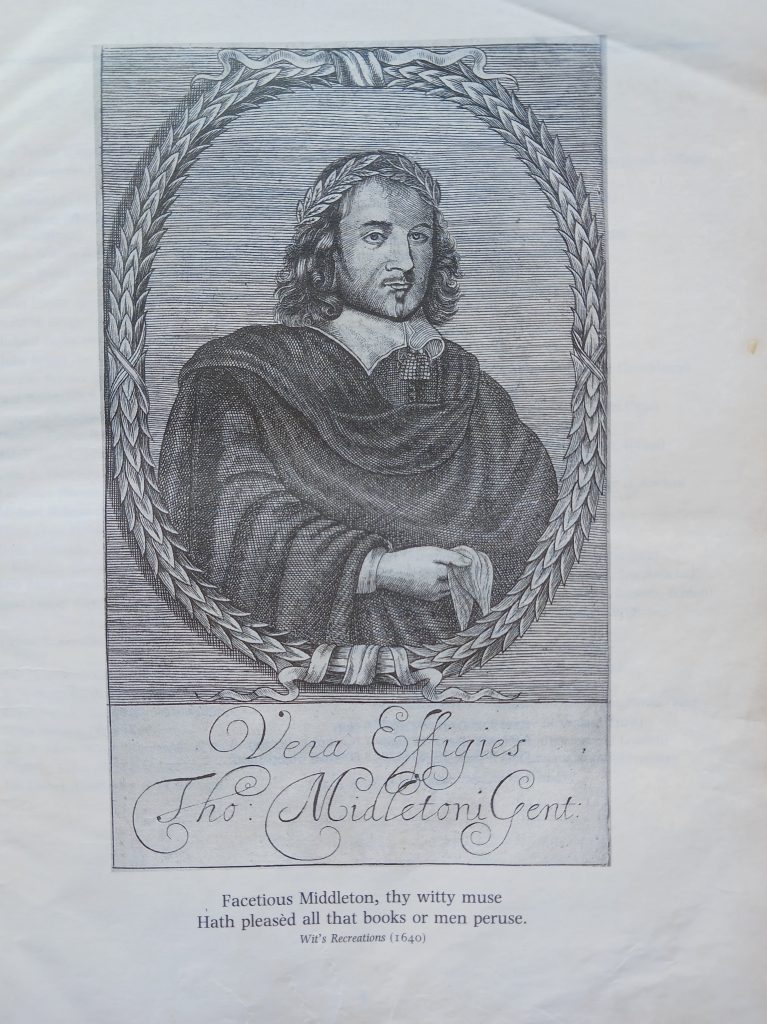
In Elizabethan and Jacobean theatre, collaborations between playwrights were normal practice and a play script was considered a living, malleable document, which could be adapted to suit changing tastes! Young Thomas Middleton was entrusted with adaptations of Shakespeare’s Measure For Measure, All’s Well That Ends Well and Macbeth, included in Shakespeare’s First Folio, 1623, where the plays were printed for the first time.